Paracetamol
Paracetamol
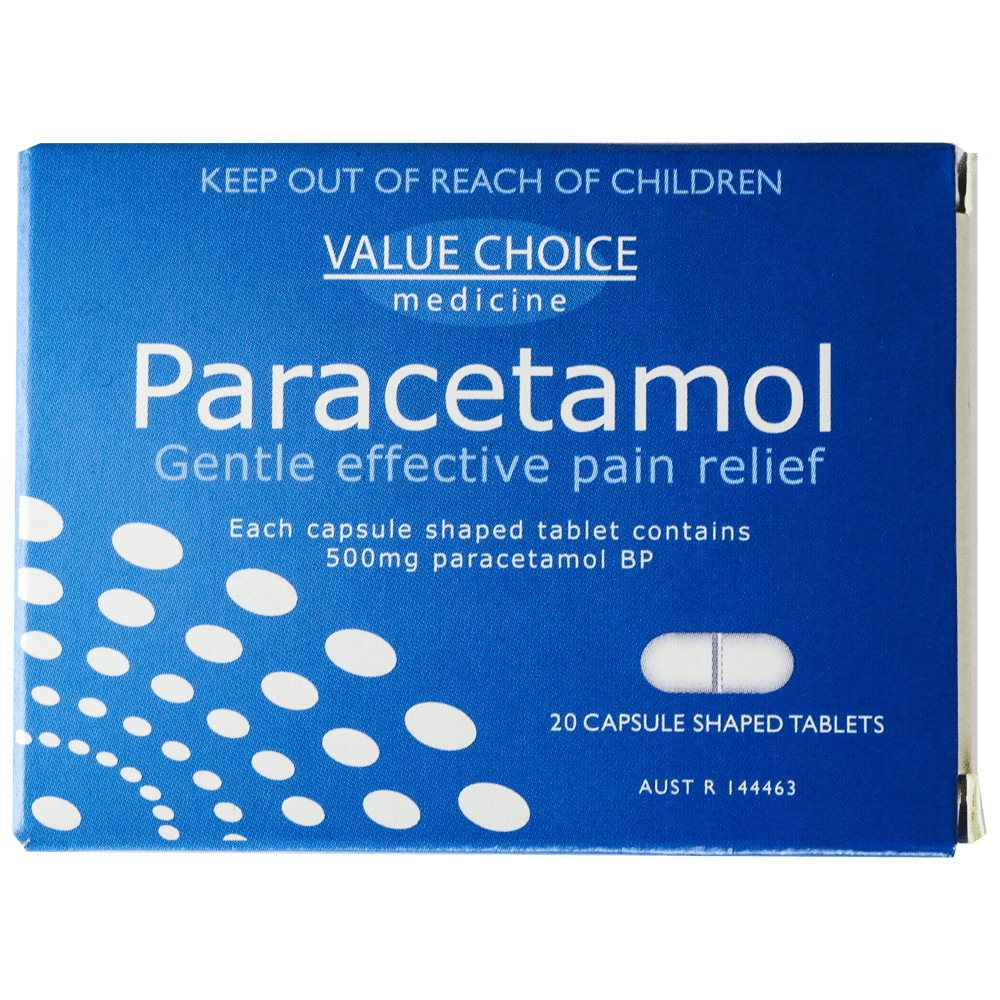
## Paracetamol: Understanding its Uses, Benefits, and Risks
Paracetamol, also known as acetaminophen, is a widely used over-the-counter (OTC) medication found in numerous brands worldwide. Its primary function is to reduce fever (antipyretic) and relieve mild to moderate pain (analgesic). This makes it a go-to remedy for headaches, muscle aches, menstrual cramps, and the discomfort associated with colds and flu. Its accessibility and generally safe profile contribute to its widespread popularity, but understanding its proper use and potential risks is crucial for safe and effective treatment.
The mechanism by which paracetamol works is still not fully understood, but it's believed to primarily act on the central nervous system to inhibit the production of prostaglandins, chemicals that contribute to pain and fever. Unlike nonsteroidal anti-inflammatory drugs (NSAIDs) like ibuprofen or aspirin, paracetamol does not possess anti-inflammatory properties, meaning it's not effective for conditions involving inflammation such as arthritis. This distinction is important when choosing the appropriate pain reliever for a specific ailment. Always consult a doctor or pharmacist if you are unsure which medication is best for your needs.
While generally safe when taken as directed, exceeding the recommended dosage of paracetamol can lead to serious liver damage. This is because the liver metabolizes paracetamol, and an overdose overwhelms its capacity to process the drug, resulting in the accumulation of toxic metabolites. Symptoms of paracetamol overdose can include nausea, vomiting, abdominal pain, and jaundice. In severe cases, liver failure and death can occur. It is therefore essential to strictly adhere to the dosage instructions printed on the packaging and to seek immediate medical attention if an overdose is suspected.
Paracetamol is generally considered safe for use during pregnancy and breastfeeding, but it's always advisable to consult with a healthcare professional before taking any medication during these periods. Interactions with other medications are also a concern; combining paracetamol with alcohol or certain other drugs can increase the risk of liver damage. Individuals with pre-existing liver or kidney conditions should exercise extra caution and consult their doctor before using paracetamol. Always inform your doctor or pharmacist of all medications, supplements, and herbal remedies you are currently taking.
In conclusion, paracetamol is a valuable medication for relieving pain and fever, but its safe and effective use requires careful attention to dosage and potential interactions. By understanding its limitations and adhering to recommended guidelines, individuals can benefit from its analgesic and antipyretic effects while minimizing the risk of adverse effects. Remember, consulting a healthcare professional is always recommended if you have any concerns or questions about using paracetamol or any other medication.


Comments
Post a Comment