Assad
Assad

## Bashar al-Assad: A Complex Legacy in Syria's Tumultuous History
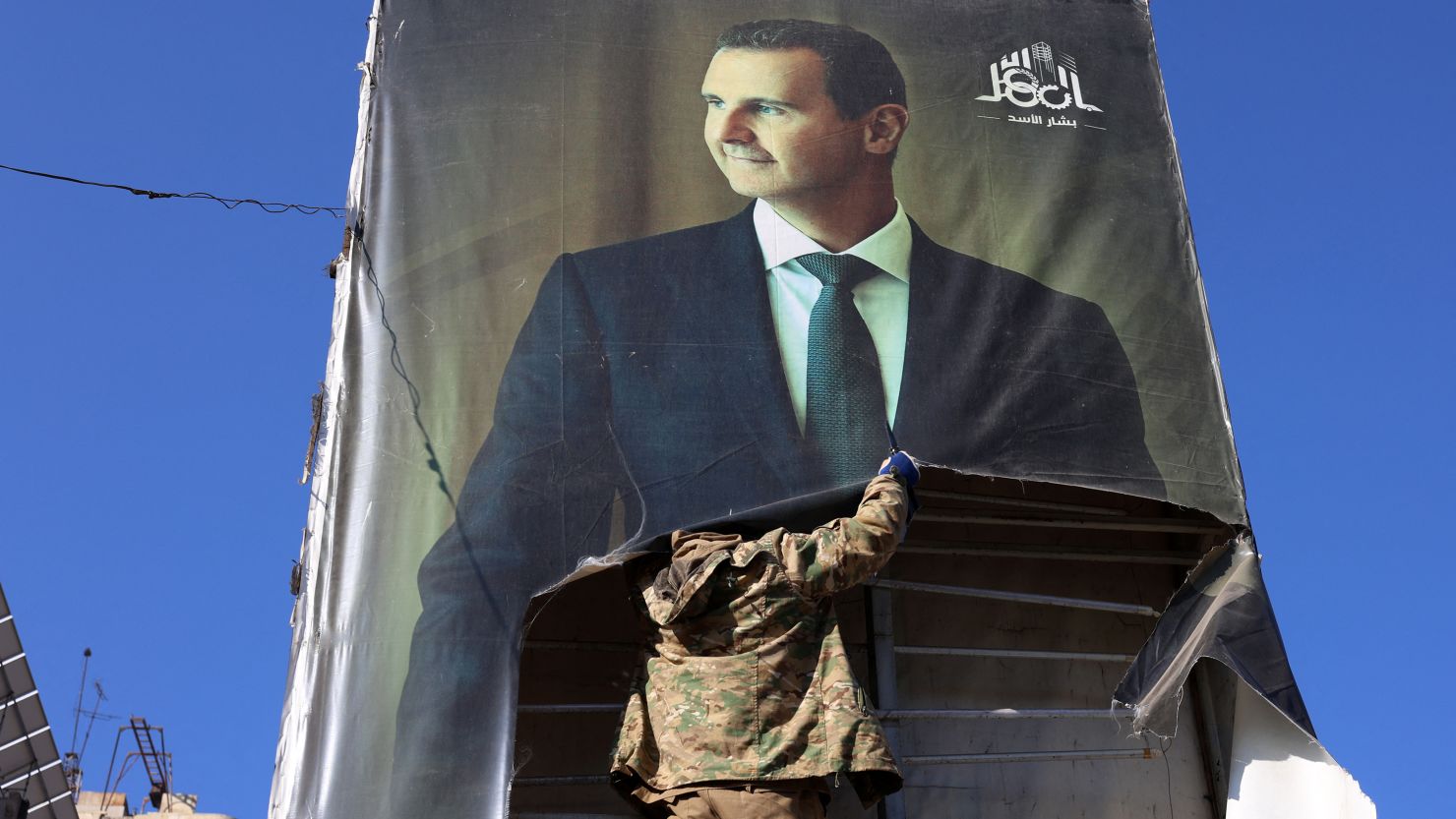
Bashar al-Assad, the current president of Syria, has presided over a nation grappling with decades of conflict and profound social upheaval. His rise to power in 2000, following the death of his father Hafez al-Assad, initially presented a hope for reform within the tightly controlled Alawite-dominated regime. However, the subsequent years have been marked by brutal crackdowns on dissent, a devastating civil war, and accusations of widespread human rights abuses, solidifying his image as a controversial and divisive figure on the world stage. Understanding Assad's leadership requires examining both the internal dynamics of Syria's complex political landscape and the external influences that have shaped his decisions and actions.
The Syrian civil war, erupting in 2011, fundamentally altered Assad's legacy. Initially sparked by pro-democracy protests echoing the Arab Spring uprisings, the conflict quickly spiraled into a brutal multi-faceted war involving government forces, various rebel factions, and external actors including Russia, Iran, and the United States. Assad's response to the protests, characterized by extreme violence and the deployment of the military, led to a massive humanitarian crisis, forcing millions to flee their homes and resulting in hundreds of thousands of deaths. This period irrevocably cemented Assad's image internationally as a ruthless dictator, responsible for unimaginable suffering inflicted upon his own people.
Despite facing seemingly insurmountable odds, Assad’s regime has managed to maintain control over a significant portion of Syria. This resilience can be attributed to several factors, including the unwavering support of key allies like Russia and Iran, who have provided crucial military and financial assistance. Furthermore, Assad has skillfully exploited sectarian divisions within Syrian society, leveraging the support of certain communities to bolster his authority. The effectiveness of these strategies, however, has come at a tremendous human cost, leaving Syria scarred by widespread destruction and deep-seated societal divisions.
The ongoing conflict and Assad's continued rule have profound implications for regional stability and international relations. Syria's geopolitical location, coupled with the involvement of major world powers, makes the conflict a significant point of contention on the global stage. The humanitarian crisis remains a pressing concern, with millions displaced and in dire need of assistance. The potential for further escalation and the long-term consequences for Syria's future remain considerable challenges, demanding sustained international attention and diplomatic efforts.
In conclusion, Bashar al-Assad's tenure as president of Syria represents a complex and deeply troubling chapter in the nation's history. His legacy is inextricably linked to the devastating civil war and the widespread human rights abuses that have occurred under his rule. While he has managed to retain power, the future of Syria remains uncertain, and the long-term consequences of his actions will continue to shape the region and the world for generations to come. A comprehensive understanding of Assad’s rule necessitates a thorough examination of his actions within the context of Syria's multifaceted history and the intricate web of international relations.





Comments
Post a Comment