Mercosur
Mercosur

## Mercosur: A Deep Dive into South America's Economic Powerhouse
Mercosur, officially the Southern Common Market, stands as a significant economic bloc in South America. Established in 1991 through the Treaty of Asunción, it initially comprised Argentina, Brazil, Paraguay, and Uruguay. Venezuela later joined in 2012, though its membership has been suspended since 2017 due to ongoing political and economic instability. The primary goal of Mercosur is to promote free trade and economic integration among its member states, fostering regional development and competitiveness on the global stage. This collaborative effort seeks to harmonize economic policies, reduce trade barriers, and enhance the overall standard of living for its citizens.
The organization operates through a complex structure involving various institutions and decision-making processes. The Common Market Council, composed of the foreign ministers of each member state, serves as the highest decision-making body. The Council of the Common Market (CMC) focuses on trade and economic issues, implementing policies aimed at harmonizing regulations and reducing tariffs. The Mercosur Parliament, a consultative body, provides a platform for citizen participation and parliamentary oversight. This intricate framework allows for collaborative policy-making while accommodating the unique needs and priorities of each individual member nation.
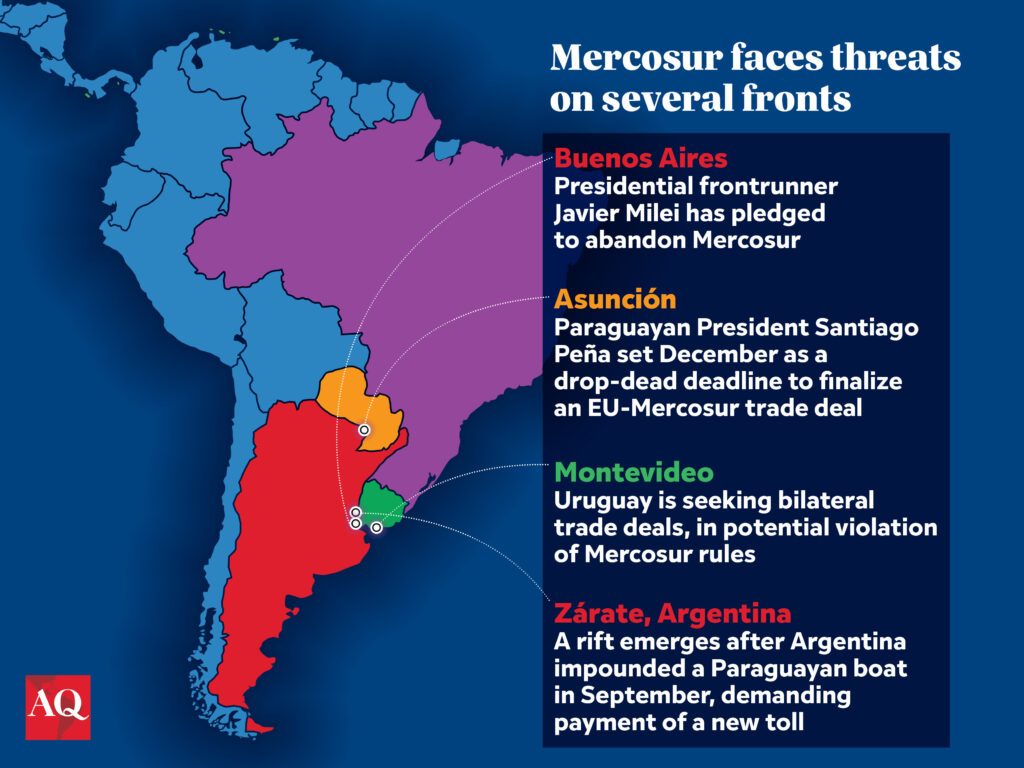
Mercosur's impact on its member economies is multifaceted. While it has facilitated increased intra-regional trade, leading to greater economic interconnectedness, challenges persist. Trade imbalances between larger and smaller members, coupled with bureaucratic complexities, sometimes hinder the seamless flow of goods and services. Furthermore, the bloc's external relations have been a source of both opportunity and complexity. Negotiations with other trading blocs, like the European Union, remain ongoing, highlighting the ongoing efforts to integrate with the global economy while maintaining regional cohesion.
One of the key criticisms leveled against Mercosur revolves around its internal inconsistencies and protectionist tendencies. While aiming for free trade, high tariffs on certain goods remain, hindering competitiveness and potentially stifling innovation. Moreover, significant political and economic disparities among members often lead to disagreements and delays in implementing key policies. Overcoming these internal hurdles is crucial for Mercosur to realize its full economic potential and remain a relevant player in the increasingly competitive global landscape.
In conclusion, Mercosur represents a complex and evolving economic project with significant implications for South America. Its successes in fostering regional trade and collaboration are undeniable, but challenges concerning internal inconsistencies, external relations, and political complexities remain significant. Navigating these hurdles effectively is essential for Mercosur to strengthen its economic integration, enhance its global competitiveness, and ultimately improve the lives of its citizens. The future of Mercosur will depend on its ability to address these persistent challenges and adapt to the evolving dynamics of the global economy.





Comments
Post a Comment