Storm Darragh: A Deep Dive into the Irish Meteorological Phenomenon
Storm Darragh

## Storm Darragh: A Deep Dive into the Irish Meteorological Phenomenon
Storm Darragh, a powerful and memorable storm that impacted Ireland and the United Kingdom in January 2020, serves as a potent example of the unpredictable nature of Atlantic weather systems. The storm brought widespread disruption, causing significant damage to infrastructure and resulting in numerous power outages. Understanding its formation, impact, and aftermath is crucial for improving future weather forecasting and disaster preparedness in the region. This article will explore the key characteristics and consequences of Storm Darragh, highlighting its lasting impact on the affected areas.
The genesis of Storm Darragh lies in a complex interaction between a deep area of low pressure and pre-existing atmospheric conditions. Originating in the North Atlantic, the storm rapidly intensified as it tracked eastward, fueled by the warm waters of the Gulf Stream. This rapid intensification, or bombogenesis, led to exceptionally strong winds and heavy rainfall. Meteorological data recorded wind gusts exceeding 100 mph in exposed coastal areas, showcasing the storm's impressive power. The precise trajectory and intensity were influenced by a number of factors, including upper-level atmospheric patterns and the interaction with landmasses.
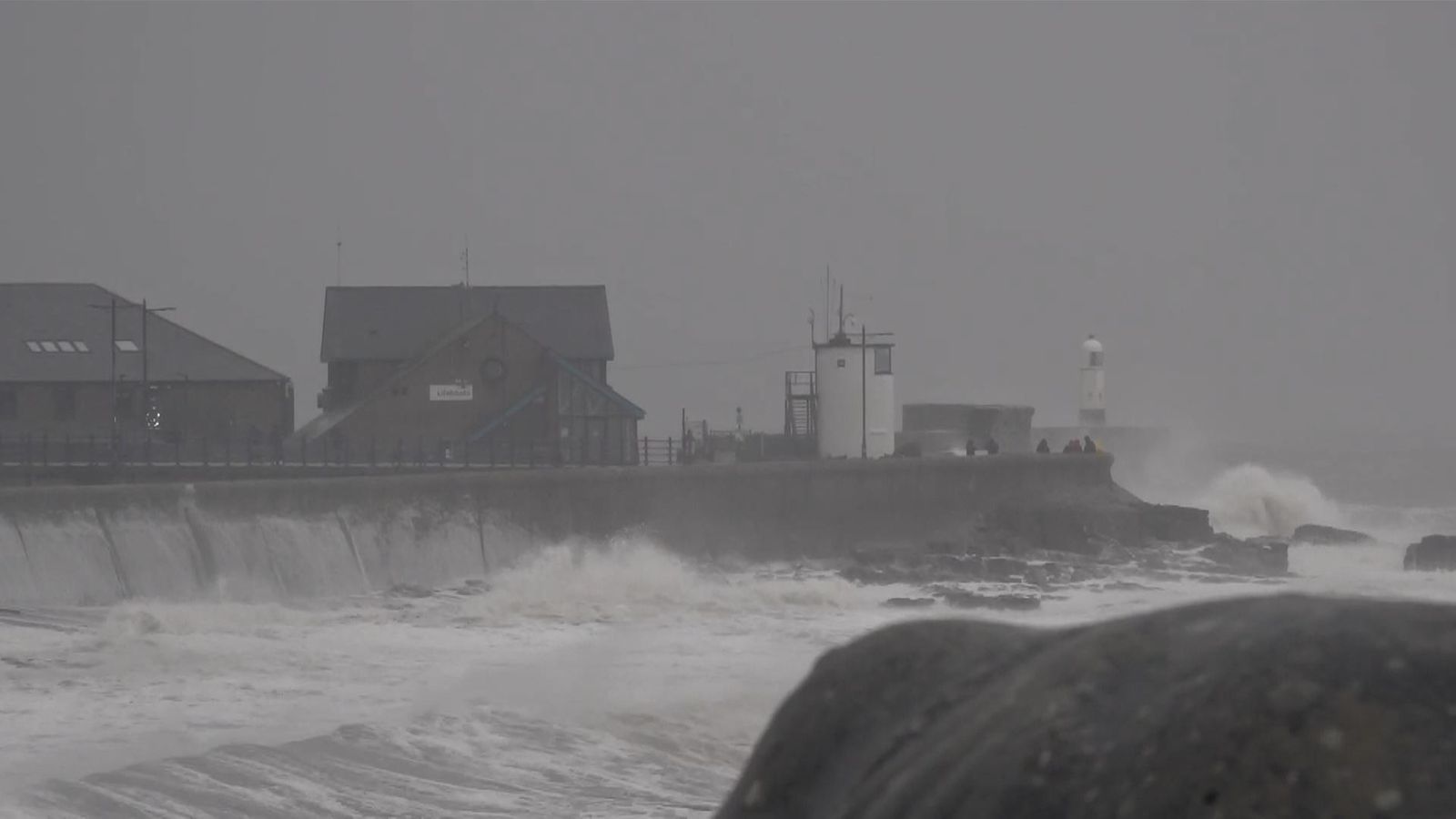
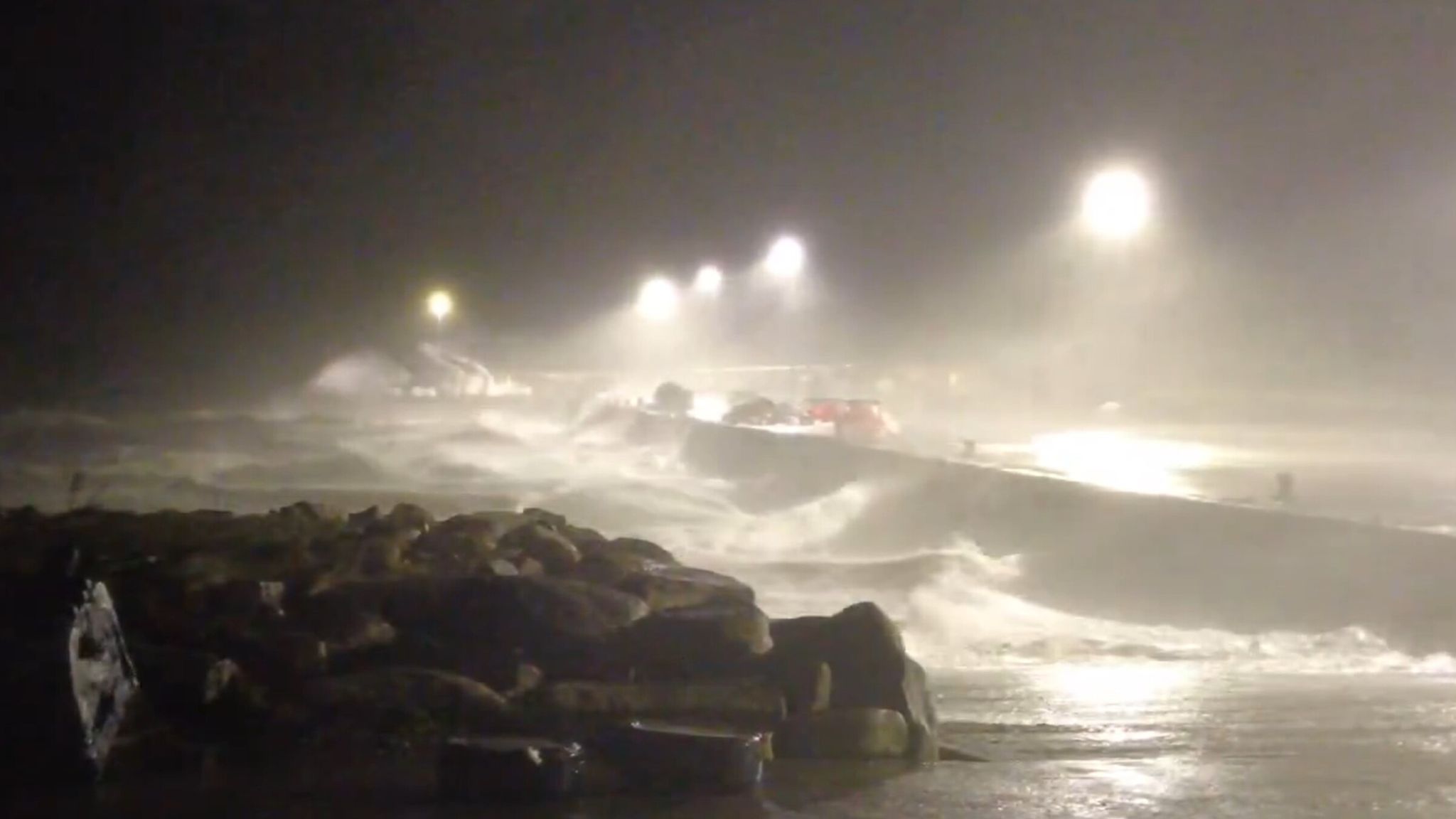
The impact of Storm Darragh was felt across a wide geographical area. Ireland bore the brunt of the storm, experiencing widespread flooding, particularly in coastal regions. High tides exacerbated the flooding, causing significant damage to property and infrastructure. Power lines were downed, leaving many homes and businesses without electricity for extended periods. The strong winds also caused considerable damage to trees and buildings, resulting in widespread disruption to transportation networks and communication systems. The storm's impact extended to the UK, bringing high winds and heavy rain, albeit with less severe consequences than in Ireland.
In the aftermath of Storm Darragh, the focus shifted to recovery and damage assessment. Emergency services played a crucial role in rescue operations and providing support to those affected. Significant resources were allocated to repairing damaged infrastructure and restoring essential services. The experience underscored the importance of robust emergency preparedness plans and effective communication strategies during severe weather events. The storm also highlighted the vulnerability of coastal communities to the impacts of extreme weather and the need for long-term adaptation strategies to mitigate future risks.
The study of Storm Darragh offers valuable insights into the dynamics of Atlantic storms and their potential impacts. Analyzing meteorological data from the event has contributed to refining weather forecasting models, improving the accuracy of future predictions. The lessons learned from this storm, in terms of both preparedness and response, continue to inform policies and practices aimed at minimizing the societal and economic consequences of future extreme weather events in Ireland and the UK. Continued research and investment in weather forecasting and disaster preparedness remain critical for ensuring the safety and resilience of communities in the face of increasingly unpredictable weather patterns.


Comments
Post a Comment