Unbekannte Krankheit im Kongo
Unbekannte Krankheit im Kongo
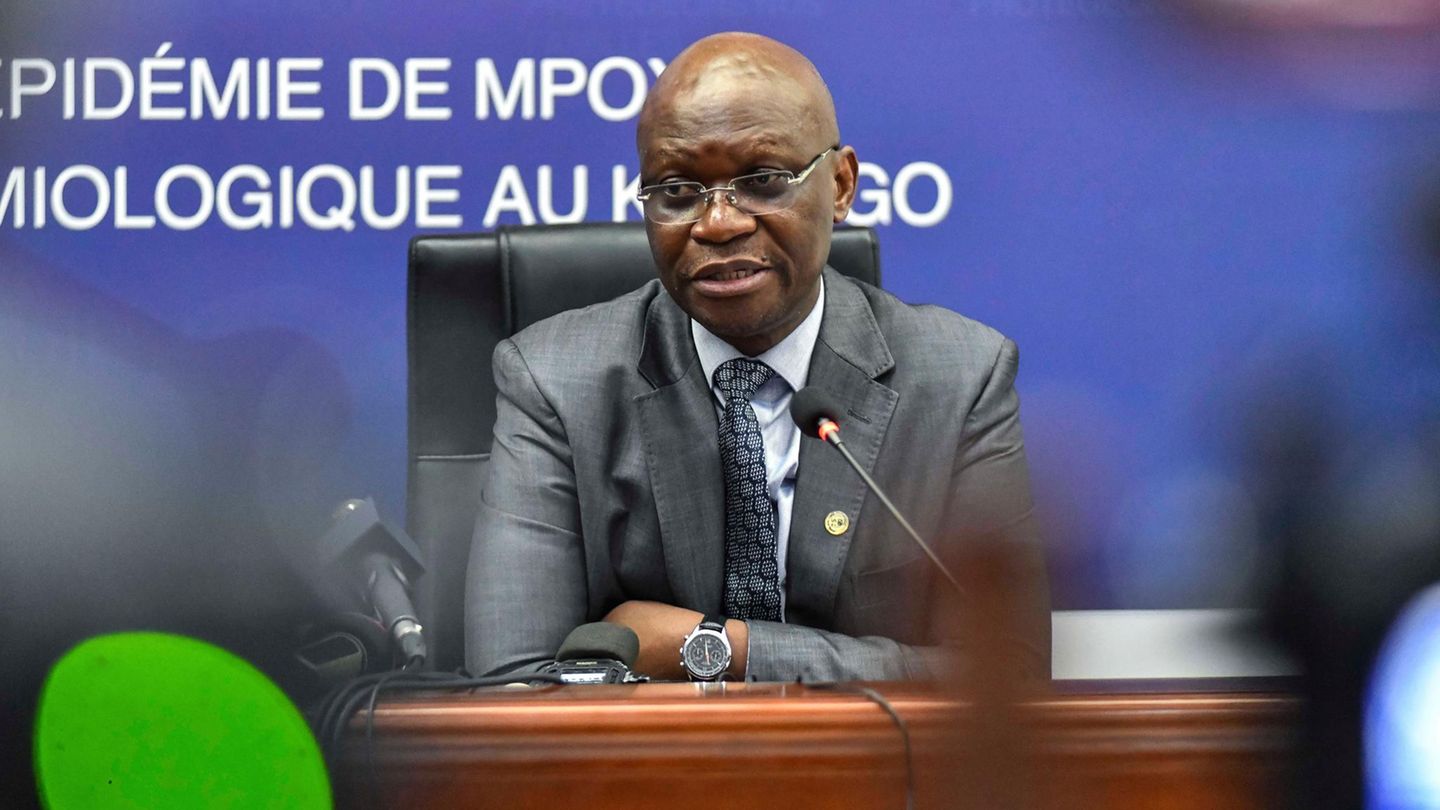
## The Unfolding Mystery: An Unknown Disease in the Congo
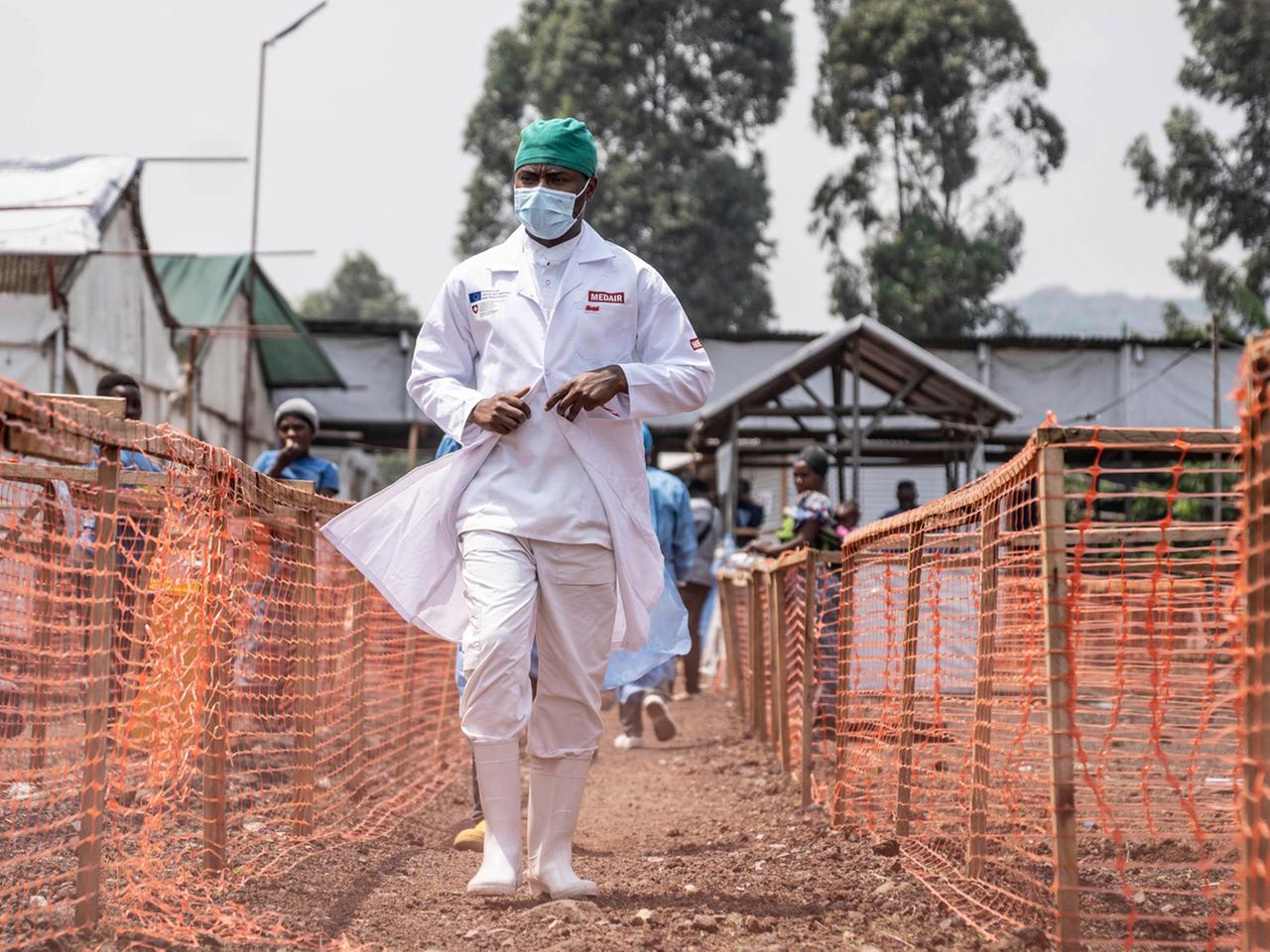
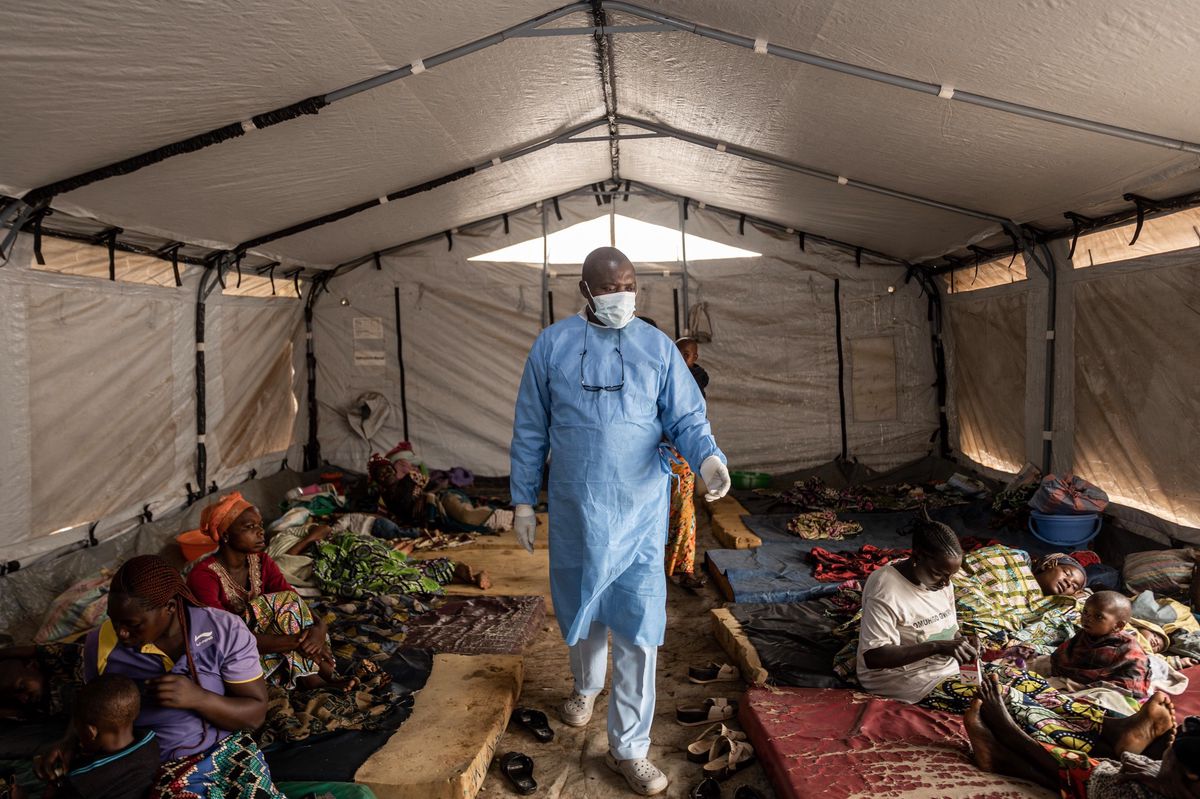
The Democratic Republic of Congo, a nation grappling with numerous challenges, now faces a new, unsettling threat: an unknown disease. Initial reports surfaced in late 2023 (adjust date as needed), detailing a cluster of mysterious illnesses affecting individuals in the remote Equateur province. Symptoms, described as a combination of fever, severe headache, muscle pain, and unexplained bleeding, have raised alarm bells amongst health officials and sparked international concern. The World Health Organization (WHO) is actively monitoring the situation, collaborating with Congolese authorities to investigate the cause and implement appropriate containment measures. The lack of readily available diagnostic tools and limited infrastructure in the affected region presents significant challenges in understanding the true extent of the outbreak.
Understanding the specific etiology of this new disease is paramount. Samples collected from affected individuals are being meticulously analyzed in specialized laboratories, both domestically and internationally. Preliminary investigations suggest that the disease may not be directly contagious through casual contact, although further research is urgently needed to confirm this. The potential for vector-borne transmission (e.g., through insects) is being explored, along with hypotheses of zoonotic origins – meaning the disease may have jumped from animals to humans. The remoteness of the affected region, characterized by dense rainforests and limited access, further complicates investigation and response efforts.
The challenges presented by this unknown disease are multi-faceted. Beyond the immediate health concerns, the outbreak has the potential to exacerbate existing socioeconomic vulnerabilities within the affected communities. Disruptions to daily life, healthcare system strain, and potential economic impacts associated with trade restrictions and decreased agricultural productivity are all significant concerns. The psychological toll on affected individuals and their families cannot be understated, especially within a region already burdened by conflict and instability. Addressing these broader humanitarian implications is critical to managing this unfolding health crisis.
International collaboration is crucial to effectively combat this emerging threat. The WHO, along with various NGOs and international health organizations, are providing essential support to the Congolese government. This includes deploying expert teams, providing logistical assistance, and ensuring access to necessary medical supplies and equipment. Furthermore, substantial funding is required for comprehensive epidemiological studies, laboratory analysis, and the development of effective diagnostic tools and potential treatments. The global health community must demonstrate a united and swift response to prevent this outbreak from escalating into a wider pandemic.
The unknown disease in the Congo serves as a stark reminder of the vulnerability of even the most remote populations to emerging infectious diseases. Effective surveillance systems, robust public health infrastructure, and proactive international cooperation are essential for mitigating future outbreaks. Continuous monitoring, coupled with rigorous investigation and a commitment to sharing data transparently, are key to unraveling the mystery of this disease and preventing similar crises in the future. This ongoing situation highlights the critical need for sustained investment in global health security and preparedness.


Comments
Post a Comment