Understanding Kratom: Benefits, Risks, and Legal Status
Kratom

## Understanding Kratom: Benefits, Risks, and Legal Status
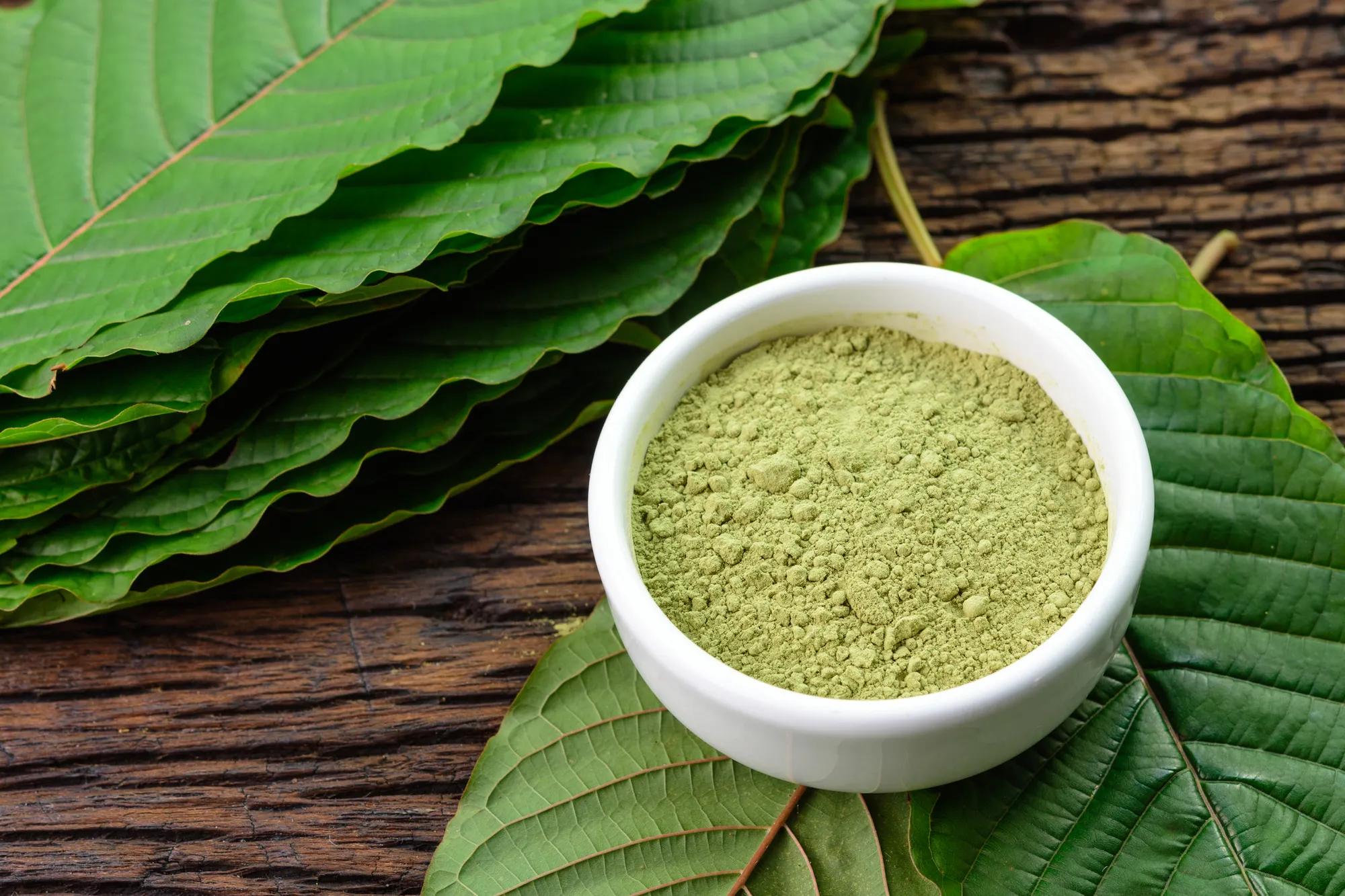
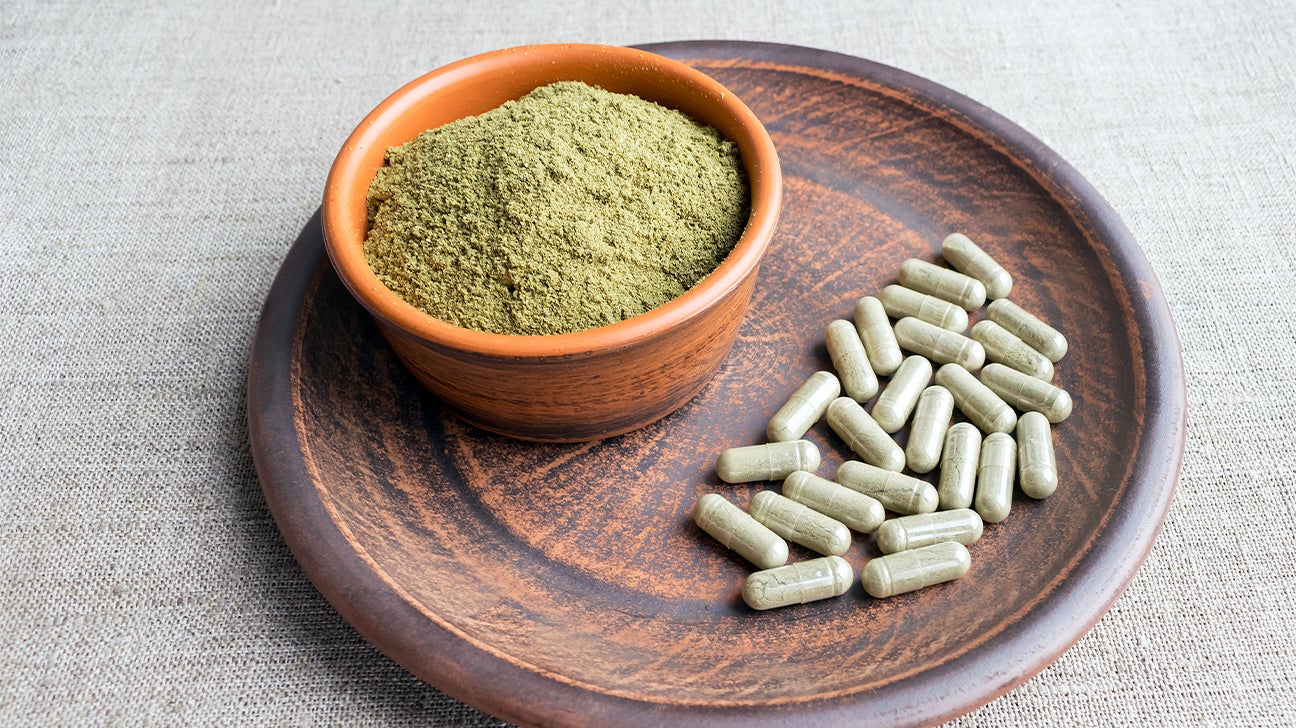
Kratom, derived from the leaves of the *Mitragyna speciosa* tree native to Southeast Asia, has garnered significant attention for its purported medicinal properties and recreational use. Its popularity stems from its alleged ability to alleviate pain, boost energy levels, and improve mood. However, understanding its multifaceted nature requires careful consideration of both its potential benefits and associated risks, along with its complex legal landscape. This article aims to provide a balanced overview of this increasingly prevalent substance.
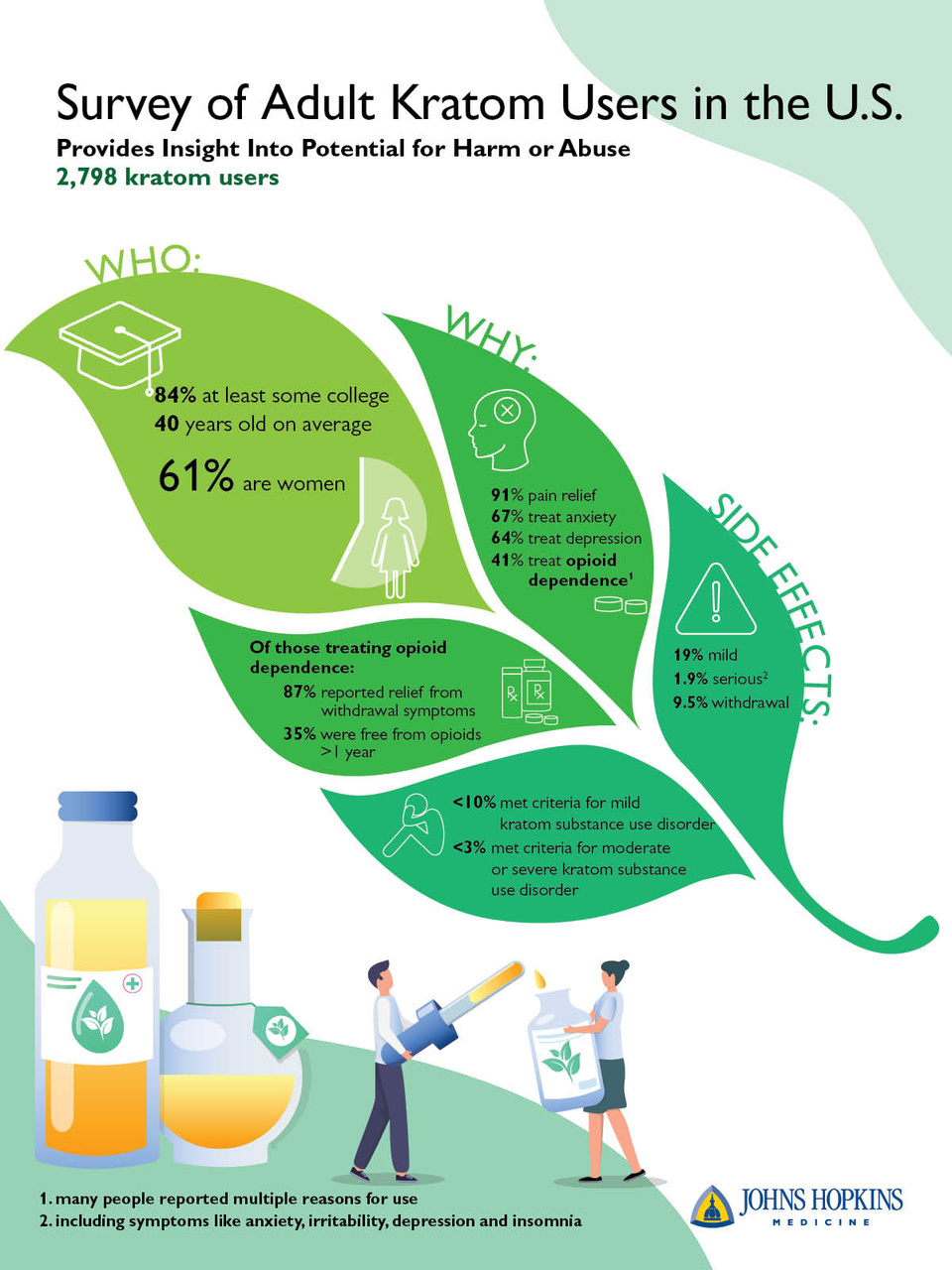
The alleged benefits of kratom often center around its purported analgesic and stimulant effects. Users report pain relief, particularly for chronic conditions like fibromyalgia, and an increase in energy and focus. Some also cite its use in managing opioid withdrawal symptoms, though scientific evidence supporting these claims remains limited and largely anecdotal. Further research is needed to fully understand the mechanisms of action and the efficacy of kratom in treating various conditions. It's crucial to remember that self-treating with kratom without professional medical guidance is strongly discouraged.
Conversely, kratom consumption carries potential risks. Side effects can range from mild gastrointestinal issues like nausea and constipation to more serious concerns such as liver damage, dependence, and withdrawal symptoms. The potency of kratom products can vary significantly depending on the source and preparation methods, making it difficult to control dosage and increasing the risk of adverse reactions. Moreover, the lack of standardization and regulation in the kratom market poses additional safety concerns. Consumers should be aware of these risks and exercise caution.
The legal status of kratom varies considerably across different jurisdictions. While it remains legal in many parts of the United States, several states and cities have implemented bans or restrictions on its sale and possession. Internationally, regulations are even more diverse, with some countries outright prohibiting kratom while others allow its use under specific conditions. Keeping abreast of the evolving legal framework is essential, as penalties for possession or sale of kratom can vary widely depending on location.
In conclusion, kratom is a complex substance with both potential benefits and significant risks. While anecdotal evidence suggests possible therapeutic applications, robust scientific research is needed to confirm these claims and better understand the long-term effects of kratom use. The absence of stringent regulation and the variability in product potency underscore the importance of exercising caution and seeking professional medical advice before considering kratom for any health concern. Staying informed about the legal status of kratom in your specific region is also crucial.



Comments
Post a Comment